
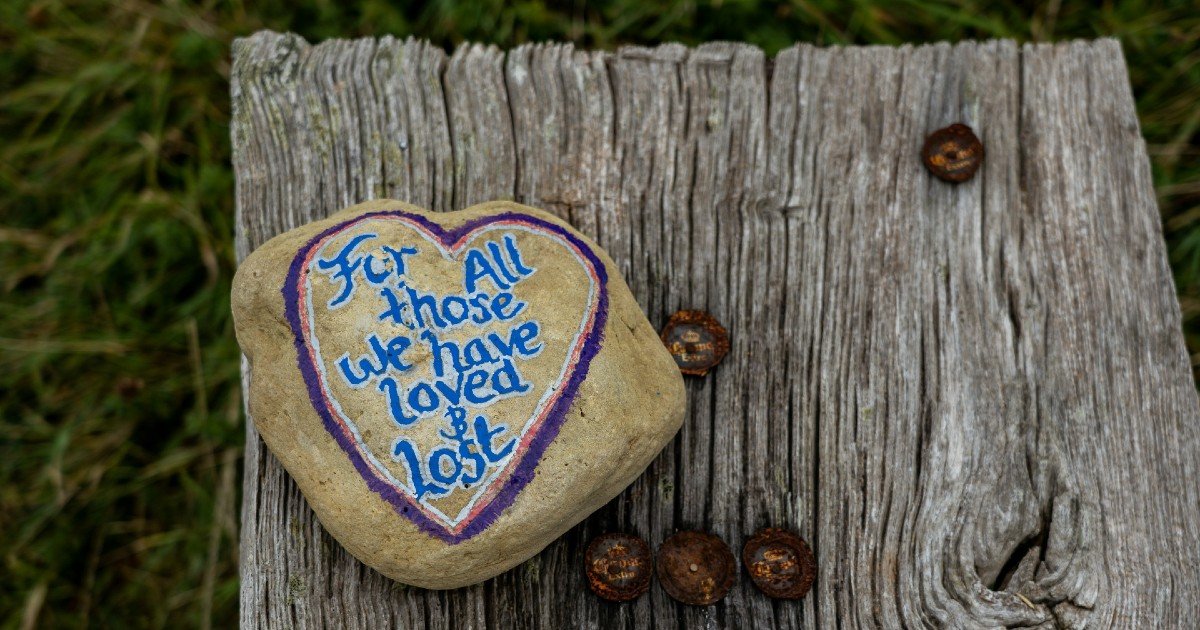
How will you mark this season of Lent?
The Christian season of Lent began this week with Ash Wednesday – a service where we are reminded that we are not here forever. As we read the words from Genesis 3:19, “You are dust and to dust you shall return,” we recognize that we – like every living being walking this earth with us – will die.
Somehow, though, this deep truth can get buried in the hubbub of doing and not doing in Lent. Traditionally, during this season we take on disciplines such as writing a thank you note to someone who matters to us each day of the holy season. Or we give up something that we really enjoy – chocolate or watching an after-dinner show on television. The theory being that each time we do or don’t do the thing, we think of God, thus inviting our faith into our daily lives.
This year I find myself disinterested in those disciplines. Instead, I find myself pondering what it could mean to live these forty days alongside the reality of death. To live with a deep sense of my own mortality. I know it may sound bleak but stick with me for a moment.
A long season of loss
In the last six years, my family and I have lost three loved ones. While one of these deaths was terribly sudden, we were able to walk with two loved ones through long illnesses. Being able to participate in the end of someone’s life changes all of you. It is, as far as I know, the truest way to say with and without words, “I love you.” “You matter.” “I am going to miss you.”
We have also lost three pets in six months. Two of these furry friends died quite suddenly and way before we were even a little ready to say goodbye. Death like this – whether human or pet – is sharp-edged and filled with great emotional upheaval. We have learned that having a diagnosis and a prognosis allows you to adjust to the idea that the end is coming. It allows you to prepare your heart just a little for the pain of loss.
Whichever the case, sudden or expected, all these deaths left us reeling. There is no way around the pain and the rupture of death. There is no way to avoid grief. But that’s not all that waits for us in the wake of death. While I do still get tossed around by waves of deep and sometimes overwhelming sadness, I’m somewhat surprised and profoundly grateful to say that living with loss has not made me gloomy, dark, and chronically sad. Mostly, my long walk with death has done just the opposite.
The surprising gifts of death
Death has made me deeply and viscerally aware of the preciousness of life. It has made me see how fragile, and, at the same time, how remarkably resilient my heart is. It has made me keenly aware of the moments and the people who fill my days. It has filled my heart with gratitude for the chance to be here, right now.
Losing people I love has made me recognize how much we need one another. Though I remain an introvert, death has gently driven me to seek meaningful connection and community. It has made me less tolerant of artifice while also giving me the courage needed to be authentic and real, even (especially) when that requires vulnerability.
Mostly, living with loss has made me 100% certain that the only thing that matters in the long run – the ONLY THING – is how openly and steadily we love one another. This is not just true for our families and friends. We can love perfect strangers by paying a sincere compliment to man we pass on the street – “I love your hat.” We can give our seat to the tired-looking woman on the train. We can offer to take the grocery cart back to the door of the store when we see someone struggling to load their bags into their car. Love is, indeed, all we need.
Lent is a season to accept death as part of the fullness of life
Diana Butler Bass, in her book A Beautiful Year, writes,
“During Lent, we walk with death for a time – learning of the other side, embracing its lessons. We cannot know entirely what awaits us. If we accept its wisdom now, however, it may be easier to cross the bridge that every living thing must eventually cross.”
No, spending these forty days living with death will not minimize grief or shield us from the pain of losing those who we love. That’s just not realistic. But, if my much longer than 40-day walk with death is any indication, spending even a little time awake to the reality of our own mortality can make living a much sweeter and tenderer experience.
May you have a holy and tender Lent.
Patanjali teaches that abhinivesa (the fear of death) is the final frontier of human suffering. While only loss itself can truly teach us about how to live with death, Patanjali, like the Christian church does by offering us the Lenten season, invites us to meditate on mortality –other’s and our own. Gradually, if we spend enough time letting go of our clinging grip on life, we will become open (-handed and -hearted) enough to receive life’s gifts even when they come to us via frightening and painful change and loss.