
A little light can change the way things look
Each year, as the days get shorter and the nights seem to get darker as well as longer, I feel a little hemmed in and anxious. This seasonal shift is not a natural one for me. The same deep part of me that rejoices in the weeks leading up to the summer solstice is shockingly resistant to the changes happening around me in November and December.
In late November, my husband, daughter and I were bemoaning the blackness outside of our windows as we sat down to dinner. Yet on December 1, the first Sunday of the Christian season of Advent this year, the mood was entirely different as we sat down to our first of what will be many wintertime candlelit dinners.
The way we look at things often determines how things look
What had changed was how we are receiving the darkness. In November, the darkness felt uncomfortable. It felt limiting. It was trapping us indoors far from the patio table where we prefer to eat. In some ways, it felt punitive – like a sentence to stay indoors for the foreseeable future.
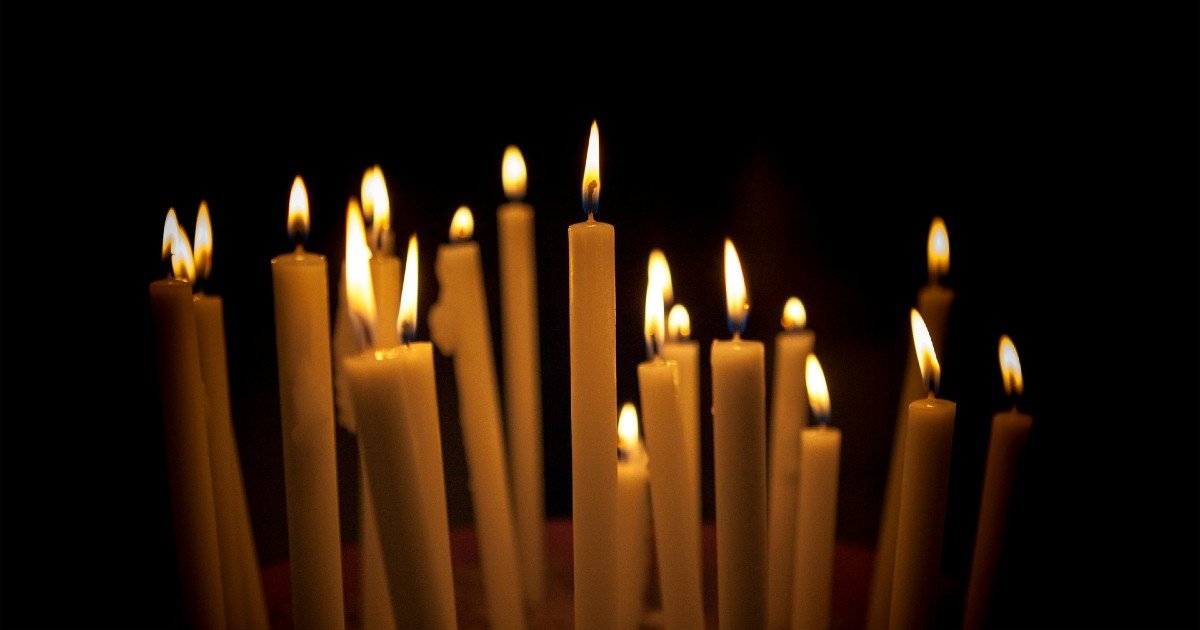
In December, however, with the flicker of candlelight, the darkness that had felt threatening now feels cozy. To be tucked up inside – warm and comfortable either at the table or in front of the fireplace – with my family feels safe and intimate.
Two points of view on what has been a long period of darkness
Perhaps more than in years past, the glow of light that has been part of winter spiritual traditions for as long as humankind has had spiritual traditions is touching the deepest parts of my heart. The Gospel reminder that “the light shines in the darkness and the darkness does not overcome it” (John 1:5) holds an entirely new, profoundly tangible meaning for me.
You see, many people would say that I have lived a long “November” these last few years. A long stretch of loss and grief that, had I looked at it that way, could have made me wonder what I’d done wrong to have to go through so much all at once. Yet, all along the way, something deep within me somehow stayed in a December state of mind. Something in me was always eager to notice the flickerings of “light” that a lifetime of Christmases have taught me will be there to guide me along my way.
Flickering lights all around
Countless lights flickered for me during these years. The obvious ones are easier to count. My family. My friends. My students. This spectacular world that I feel so unbelievably lucky to get to live in and to explore.
The less obvious ones are almost innumerable. Here are a few that spring to mind as I sit here at my keyboard: Laughing with my daughter until I had tears in my eyes at something stupid in a movie. Freezing in unison with my dogs as we gazed in awe at a Pileated woodpecker R I G H T in front of us. The feeling of the sun on my shoulders as I bent over my potted herbs. The Amtrak employee who kindly moved my reservation to another, more expensive, train at no additional cost so that I would not miss the author talk I had been looking forward to for months.
The light is there if we look for it
Truly, I could go on and on. Even in the deepest darkness, there is, in my experience, always light shining. The last years have simply brought to bear for me the promise that Christmas offers all of us – even the deepest darkness does not overcome the light. We are not responsible for creating the light we so desperately need. We are only asked to notice its glow. We are only asked to be open to receiving its hopeful promise.
A solstice (and Christmas) invitation
Tomorrow is the winter solstice – the day of the year that the darkness most outweighs the light. This is a quieter day, less laden with the joyful merriment of a modern holiday. Therefore, perhaps tomorrow would be the perfect day for us to pause and notice all the flickering lights – metaphoric or actual – shining steadily in our midst. Perhaps tomorrow would be a perfect day to light some candles or a fire in the fireplace and feel loved and held even in the metaphoric or real-life darkness of the day.
A very bright and Merry Yuletide* to you all.
*Though Yuletide has come to be understood as an old-fashioned word for the Christmas season, the “yule” in Yuletide derives from an olde English noun “geol,” which referred to a midwinter pagan festival that was celebrated in December, perhaps on the solstice.